
Across the world, food production is becoming increasingly vulnerable due in large parts to extreme weather events caused by climate change, such as droughts and floods. This problem is particularly devastating in the global south.
While Norway continues to profit enormously from oil and gas extraction, countries such as Malawi in Southern Africa face the brunt of the consequences. In 2023, Norway’s climate gas emissions were nearly 27 times as high as the Malawian emissions, despite the fact that Malawi’s population is over 22 million - four times that of Norway.
The World Bank warns that, because of the devastating impact of climate change, an additional 2.6 million people in Malawi could be pushed into extreme poverty by 2030.
Climate activist Funani Matemba and Akuzike Phiri from Malawi promote climate justice and advocate for food sovereignty, as necessary responses to climate disaster in their country. In Bergen they are joining us to talk about the necessity of climate justice and climate adaptation. How do we ensure a fair distribution of the burden and responsibility of climate change and mitigation? What are the solutions that prioritize people and the environment over profit on a global scale? And what steps should Norway and other countries that have contributed most to climate gas emissions take?
Admission with festival tickets, day tickets and event tickets.

Funani Matemba
Activist at Point of Progress Malawi & Spire
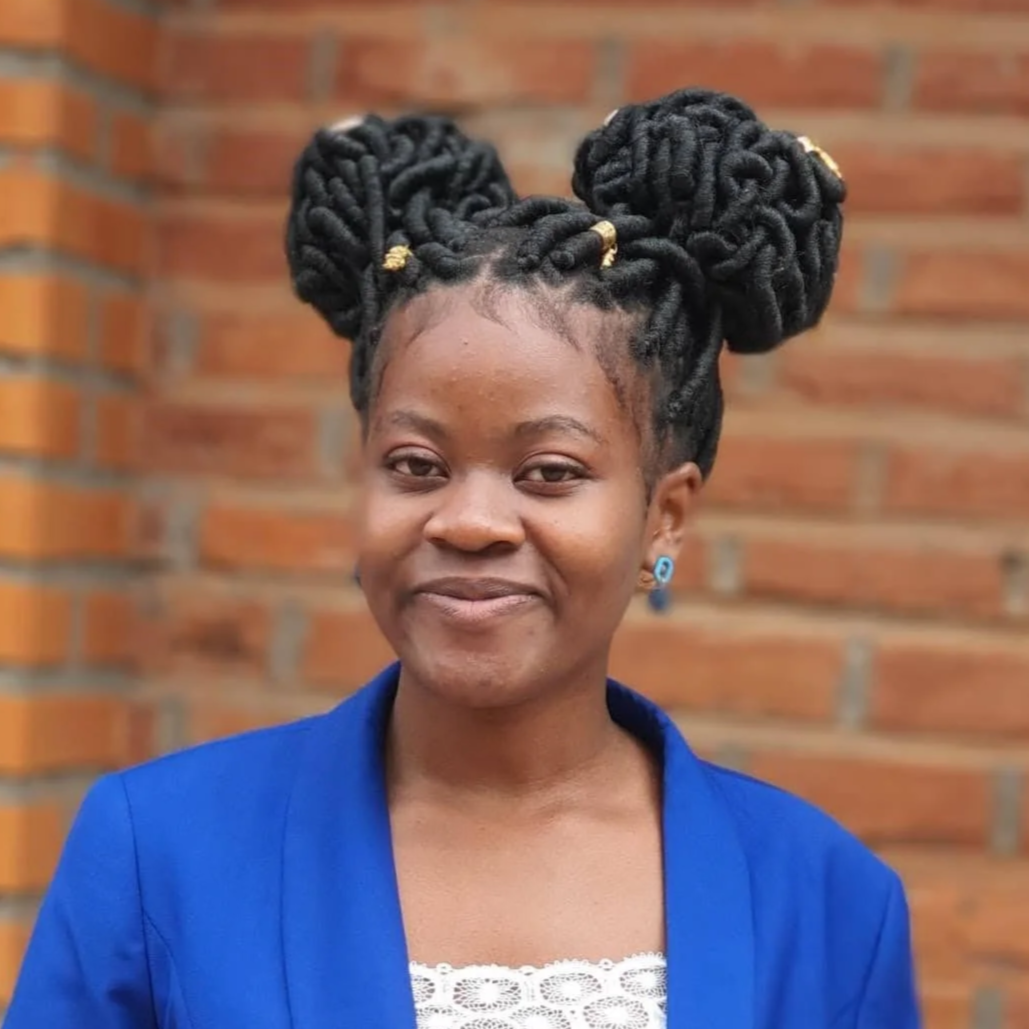
Akuzike Phiri
Activist at Point of Progress Malawi & Spire
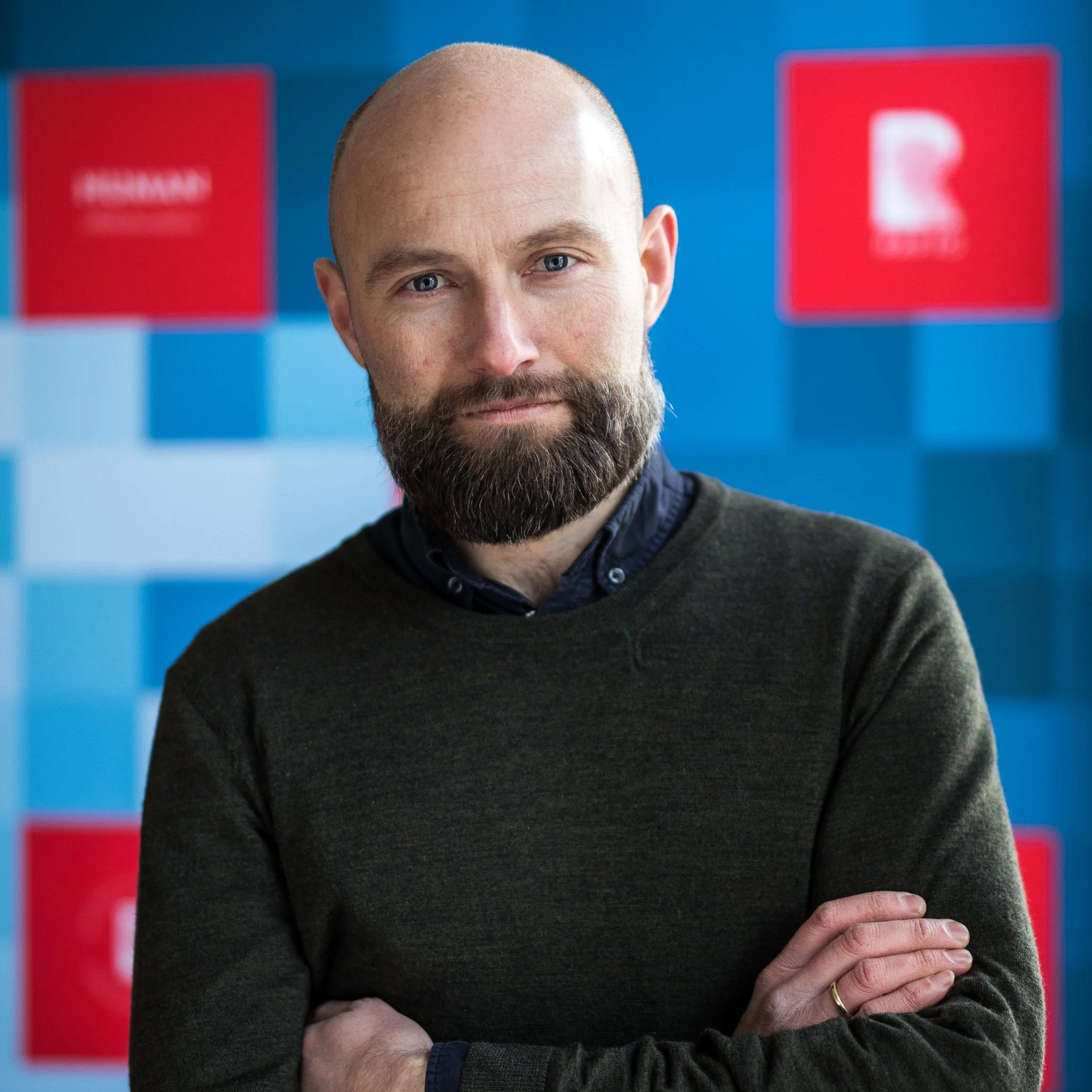
Jostein Kobbeltvedt
Executive Director of the Rafto Foundation for Human Rights