
India is now the most populated country in the world. It is also a country with incredibly diverse ecosystems, from the Himalayan mountain range to deserts, rainforests and a long coastline. As the global climate changes rapidly, what will be the consequences for both people and nature in India? And what will India’s role be on the global stage moving forward? With the US backing away from climate commitments, could India be the new global superpower in a world economy based on renewable energy?
With 1.46 billion people, India makes up more than 17% of the world's population. Nearly one billion people in India are eligible to vote in the country’s elections, making it not only the most populated country in the world, but also by far the largest democracy. India therefore has some unique challenges - and opportunities.
At the same time, the Indian economy is growing quickly, there has been a dramatic reduction in poverty, and the use of energy is going up. As its economy keeps growing, should we expect a rise in the climate gas emissions as well? Or will India prove to be an example of so called “leapfrogging”, where a developing economy skips the expected step of widespread use of fossil fuels for a growing middle class, and instead goes straight to depending on renewable energy sources? India’s use of both solar power and wind power could be a sign that it is building a more sustainable energy sector – but what about the use of coal, the growing agricultural and production sectors, and changing priorities in a more polarised world?
How optimistic should we be for India’s future?
Admission with festival tickets, day tickets and event tickets.
Participants:
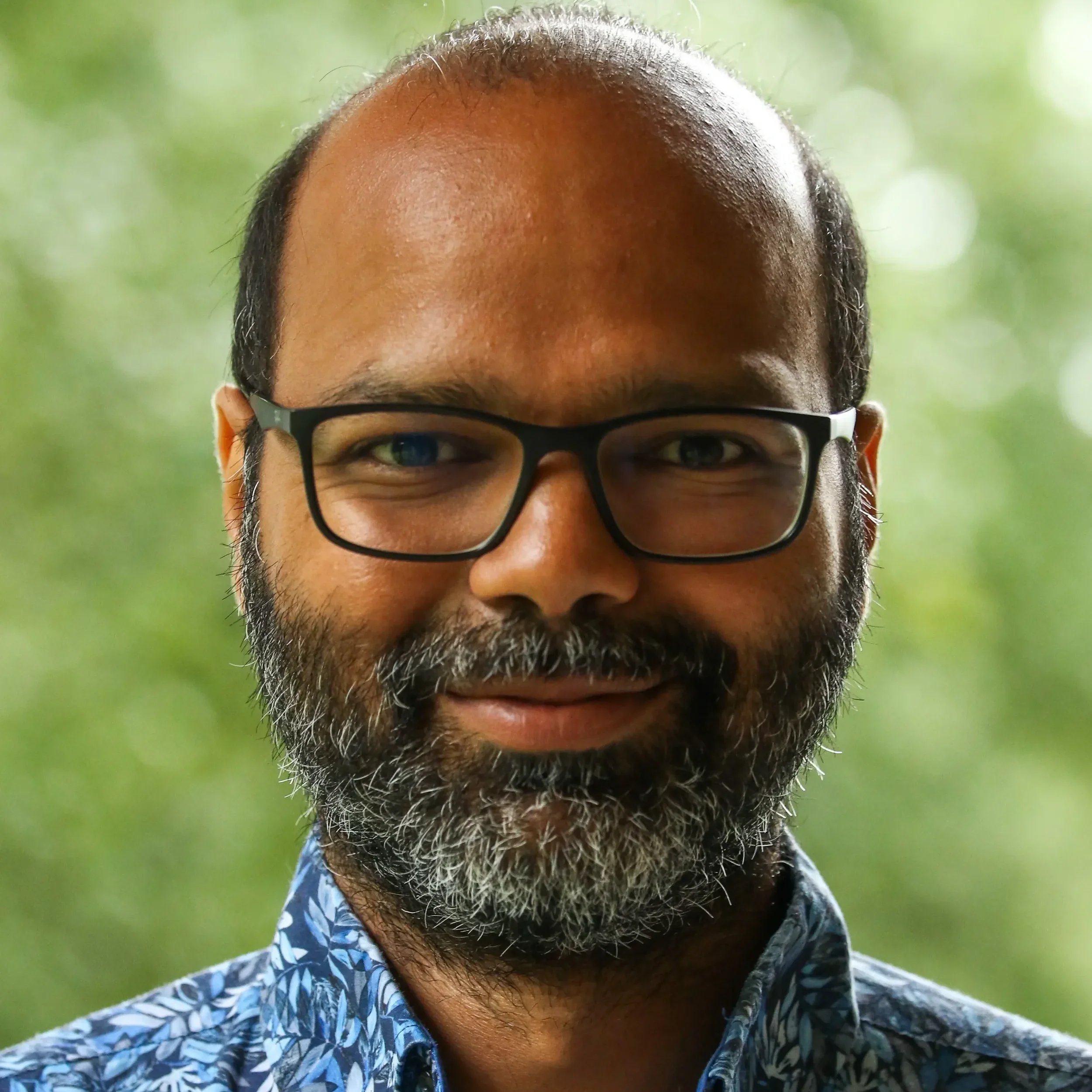
Siddharth Sareen
Research professor at Fridtjof Nansen Institute

Anwesha Dutta
Senior researcher at Christian Michelsen Institute

Kårstein Måseide
Department Director at CICERO Centre for Climate Research